Dental Crowns Oxnard CA: Restore Your Tooth With Precision
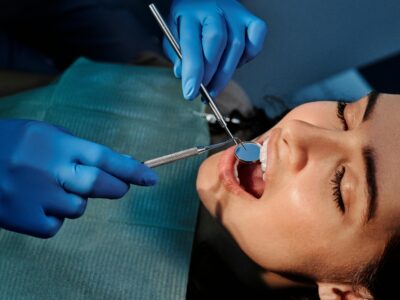

A well-made dental crown does more than cover a damaged tooth. It restores strength, protects what remains of the natural structure, and lets you bite without second-guessing every meal. When patients start looking into Dental Crowns Oxnard CA, they are usually dealing with a very real problem: a cracked molar, a large failing filling, a tooth that has had a root canal, or front tooth damage that affects appearance as much as function.
Crowns sit at the intersection of engineering and aesthetics. They need to survive daily force, line up with your bite, blend with nearby teeth, and feel ordinary enough that you forget they are there. That last part matters more than people expect. The best crown is often the one you stop noticing after a few days.
In a coastal community like Oxnard, where people want durable care that fits into busy lives, precision matters. A crown that is even slightly off can lead to temperature sensitivity, food trapping, gum irritation, or a bite that feels “high” every time you chew. Good results come from careful diagnosis, smart material selection, and attention to detail at every step.
What a dental crown actually does
A dental crown is a custom-made cap that covers the visible part of a tooth above the gumline. Dentists recommend crowns when a tooth can no longer be predictably restored with a filling alone. That may be because too much of the tooth is missing, the remaining walls are thin, the tooth has cracked, or the structure has been weakened by decay or previous treatment.
Think of a crown as reinforcement with a specific job. It redistributes chewing forces, reduces the risk of further fracture, and seals a tooth that may already be vulnerable. For many patients, the biggest change is practical. They can chew on that side again. They stop shifting food to the opposite side. They stop being cautious with crusty bread, almonds, or steak.
There is also an aesthetic side. Crowns can reshape a worn tooth, mask severe discoloration, and restore symmetry in the smile. On front teeth, this requires a different kind of precision than on molars. The dentist must think about translucency, shape, edge contour, and how the crown looks in daylight, not just under operatory lights.
When a crown makes sense, and when it may not
Not every damaged tooth needs a crown. A conservative dentist will preserve healthy enamel whenever possible. Small cavities and moderate chips can often be repaired with bonded fillings. On the other hand, a tooth with a very large old filling and a crack running across a cusp may be one hard bite away from breaking more deeply.
A crown is often the right choice in situations like these:
- A tooth has a large filling and too little solid structure left to support another filling
- A crack is causing pain on biting or threatens to split the tooth further
- A root canal-treated tooth needs protection from fracture
- A severely worn or broken tooth needs full coverage for strength and shape
- A dental implant or bridge requires a crown as the final restoration
There are edge cases. A small crack does not always mean a crown is required that day. Sometimes the right move is monitoring, especially if the crack is superficial and symptom-free. Sometimes a partial coverage restoration, such as an onlay, preserves more healthy tooth while still providing support. Judgment matters. So does timing. Waiting too long can turn a straightforward crown into a root canal, an extraction, or a dental implant discussion.
The value of precision in crown treatment
Patients rarely see the technical side of crown work, but they feel the result. Precision starts with diagnosis. Is the pain coming from a Dental Crowns Oxnard CA crack, a cavity, a gum issue, or a bite problem? If the wrong tooth is treated, the crown can be beautifully made and still fail to solve the problem.
Once the decision is made, precision shifts to preparation design and fit. The tooth must be shaped enough to create space for the crown material, but not over-reduced. Remove too little, and the crown may be bulky or weak. Remove too much, and the tooth loses unnecessary structure. There is a sweet spot, and experienced clinicians know how much room each material needs.
Margins matter just as much. The margin is where the crown meets the tooth. If that junction is rough, open, or poorly placed, the gum may stay inflamed and plaque will collect more easily. If it is clean and accurate, the crown can feel almost seamless.
Then there is the bite. Many post-crown complaints come down to occlusion, the way upper and lower teeth meet. A crown that is microscopically high can make a tooth feel sore for days. In patients who clench or grind, the consequences can be bigger. Fine adjustments and careful checking are not small details. They are part of the treatment.
Materials are not interchangeable
Patients often ask which crown material is “best.” The honest answer is that it depends on the tooth, the bite, cosmetic expectations, and habits such as grinding. Different materials solve different problems.
Porcelain or ceramic crowns are popular for visible teeth because they can mimic natural enamel beautifully. When crafted well, they reflect light in a convincing way and avoid the flat, opaque look people worry about. For front teeth, that optical quality matters.
Zirconia crowns are known for strength. They are often chosen for molars or for patients with heavy biting forces. Modern zirconia can also look quite good, though the most aesthetic ceramics may still have an edge in certain front-tooth cases. The trade-off is straightforward: some materials prioritize beauty, some prioritize durability, and some try to balance both.
Porcelain-fused-to-metal crowns have been used for decades and still have valid applications. They can be durable, but over time some patients notice a dark line near the gum if recession occurs. Full metal crowns, including gold alloys, remain excellent from a functional standpoint in the right case. They are kind to opposing teeth and last well, but most patients today prefer tooth-colored options unless the crown is far in the back.
The material decision should not be rushed. A person with a strong clenching habit, a history of broken restorations, and limited space may need a different recommendation than someone restoring a front tooth after trauma. That is why a one-size-fits-all answer rarely serves patients well.
What the crown process usually looks like
For most traditional crowns, treatment takes two visits. During the first visit, the dentist numbs the area, removes any decay or failing filling material, and reshapes the tooth. If there is not enough tooth left to hold the crown securely, a buildup may be placed first to recreate a solid core.
Impressions or digital scans are then taken so the final crown can be fabricated. Digital scanning has improved the experience for many patients because it reduces the need for impression trays and putty, though conventional impressions can still work well in experienced hands. A temporary crown is usually placed to protect the prepared tooth while the final restoration is being made.
That temporary stage is more important than it looks. It protects sensitivity, preserves spacing, and gives a preview of shape and function. If a temporary repeatedly comes off, it can signal challenges with retention or bite that the dentist will want to address before final cementation.
At the second visit, the temporary crown is removed and the final crown is tried in. The dentist checks the fit, contacts with neighboring teeth, bite, shape, and color if aesthetics are critical. Only when those details look right is the crown cemented or bonded into place.
Same-day crowns are another option in some practices. They can be convenient, especially for busy patients who want to avoid a second visit and temporary restoration. That said, convenience should not outrank case selection. Some teeth and some aesthetic demands are still better served by a high-quality lab-fabricated crown.
The difference between a decent crown and a truly good one
Most patients cannot evaluate a crown by looking at it on a tray. They judge it by how it behaves over time. A decent crown may look acceptable on day one. A truly good crown settles in without chronic sensitivity, does not trap floss excessively, stays comfortable in the bite, and supports healthy gums.
There is also the matter of contour. If a crown is overbulked near the gumline, plaque tends to accumulate more easily and the tissue can stay irritated. If it is undercontoured, food can wedge in awkwardly. Those are subtle design issues, but they affect daily comfort.
Color matching is another area where skill shows. Natural teeth are rarely one uniform shade. They have depth, slight variation, and surface texture. On front teeth, excellent results often come from collaboration between a dentist and a skilled laboratory technician, especially when custom shading is needed. Patients sometimes assume the crown itself is the only variable. In practice, the success of the result depends heavily on planning and communication.
Crowns after root canal treatment
A common reason people search for Dental Crowns Oxnard CA is after being told they need a crown following a root canal. That recommendation is often sound. A root canal saves a tooth by removing infected or inflamed pulp tissue, but the tooth can become more brittle, especially if much of the original crown structure has already been lost to decay or old restorations.
Back teeth that have had root canals usually benefit from full coverage because molars absorb significant chewing force. Front teeth are more case-dependent. If a front tooth remains structurally intact and cosmetic needs are minimal, a crown may not always be necessary right away. But if the tooth is darkened, heavily filled, fractured, or already weakened, a crown may be the best long-term option.
Timing matters here too. Delaying the crown for months after a root canal can be risky. It is not unusual to see a tooth feel fine after endodontic treatment, then crack because it was left unprotected during normal use.
How long crowns last in real life
Patients want a number, but lifespan is never just about the crown itself. Many crowns last ten to fifteen years, and plenty last longer. Some fail earlier. The reasons are familiar in practice: decay at the margin, cement washout, fractures from grinding, gum recession that exposes vulnerable areas, or trauma.
The patient’s habits matter almost as much as the dentist’s technique. Someone who chews ice, grinds nightly, skips cleanings, and uses their teeth as tools should expect more wear and more complications. By contrast, a well-maintained crown in a stable bite can serve for many years.
A useful way to think about longevity is this: the crown is only as healthy as the tooth under it and the gums around it. You do not “get a crown and forget it.” Daily brushing, flossing, and regular professional exams are what keep the edges clean and the underlying tooth protected.
What recovery usually feels like
Most crown appointments are easier than patients expect. Mild soreness at the gumline, tenderness from keeping the mouth open, and temporary sensitivity to cold are common for a few days. If the tooth had deep decay or was already inflamed, sensitivity may linger longer but should trend downward.
Temporary crowns can feel a little different from the final version. They are not built for long-term perfection. Patients may notice minor changes in texture or contour, and sticky foods can dislodge them. That does not necessarily predict a problem with the final crown.
What deserves attention is pain that escalates instead of improving, a bite that feels distinctly off, or lingering pain with chewing. Those symptoms may mean the tooth needs adjustment or, in some cases, further treatment. It is better to call early than to hope it settles if each bite is making you avoid that side of the mouth.
Cost, value, and the temptation to delay
Crowns are a meaningful investment, and patients are right to ask about cost before proceeding. Fees vary depending on material, complexity, whether additional treatment is needed, and local practice economics. In Oxnard, as in most areas of California, overhead, laboratory quality, technology, and appointment time all influence pricing.
The lowest fee is not always the lowest long-term cost. A crown that does not fit well or is placed on a poorly evaluated tooth can lead to repeat work, more chair time, and more expense. At the same time, expensive does not automatically mean better. Value comes from thoughtful diagnosis, solid materials, excellent execution, and follow-up when needed.
Delaying treatment can be reasonable in a few cases, but not all. If the tooth is currently stable and the issue is cosmetic, timing may be flexible. If there is a crack, recurrent decay, or a tooth that has had a root canal and remains unprotected, waiting can raise the stakes fast. Many patients have had the experience of postponing a crown that was manageable in spring, then facing a broken tooth during a holiday meal in winter.
Choosing a provider for Dental Crowns Oxnard CA
When patients compare offices, they often focus on convenience and insurance participation first. Those are practical concerns, but crown work rewards a broader look. You want a provider who evaluates the whole picture: tooth structure, gum health, bite forces, grinding history, and cosmetic priorities.
A few questions can tell you a lot:
- What crown material do you recommend for this specific tooth, and why?
- Is the tooth simply weak, or is there a crack or nerve issue that changes the plan?
- Will you use digital scans, traditional impressions, or either based on the case?
- How do you check bite and fit before cementing the final crown?
- If I grind my teeth, do you recommend a night guard after treatment?
Good answers are usually clear and case-specific. If every patient seems to get the same material and the same pitch, that is worth noticing. Dentistry works best when treatment is tailored, not scripted.
The role of the bite, especially for grinders
One of the most overlooked factors in crown success is parafunction, the catch-all term for clenching and grinding. A patient can have a beautifully crafted crown and still chip it or overload the tooth if nighttime forces are high. This is particularly relevant for people who wake with jaw soreness, flatten their natural teeth over time, or have a history of broken fillings.
In those situations, the crown may need to be designed with extra attention to thickness and force distribution. The material choice may shift toward greater strength. A night guard may become part of the treatment plan, not an optional upsell. This is not about being overly cautious. It is about protecting both the restoration and the supporting tooth.
I have seen crowns last beautifully in patients with disciplined night guard use, and I have also seen newer restorations fail in strong grinders who assumed the crown alone would solve the mechanical problem. The restoration matters, but so do the forces placed on it every night.
Gum health around crowns deserves more attention than it gets
Patients tend to think of a crown as a tooth issue, but the surrounding gum tissue has a major say in long-term comfort. Bleeding, puffiness, or chronic tenderness around a crowned tooth often point to either hygiene challenges or contour problems that need attention.
Flossing around a crown should feel normal. It should not shred repeatedly, snap hard through a contact, or smell unpleasant every time. Those little signs can reveal whether the margins are staying clean or whether food is lingering where it should not.
For patients with recession or a history of gum disease, maintenance becomes even more important. A crown margin exposed by recession is not automatically a failure, but it does create areas that deserve close monitoring. Regular cleanings and exams help catch changes before they become expensive.
Living with a crown day to day
Once the final crown is placed and adjusted correctly, it should fade into the background of daily life. You should be able to chew with confidence, floss normally, and speak without thinking about it. Most patients adapt quickly. A few need minor bite adjustments in the days after placement, especially if they are very tuned in to small occlusal differences.
Care is simple but not optional. Brush thoroughly along the gumline. Floss each day. If your dentist recommends a night guard, use it. Be sensible with very hard foods. Crowns are durable restorations, not invincible hardware.
It is also wise to pay attention to new symptoms. A crown that suddenly feels tall, becomes sensitive, or catches floss differently deserves a look. Small issues are easier to correct early, whether that means a simple adjustment, polishing, or evaluating the tooth for underlying decay.
Why precision pays off
Crowns are common, but they are not routine in the careless sense of the word. Every crowned tooth has its own anatomy, history, bite forces, and cosmetic demands. The success of the treatment rests on details that patients may never see directly but will absolutely feel over the years.
That is why the search for Dental Crowns Oxnard CA should lead to more than a quick price comparison. It should lead to a careful conversation about what the tooth needs, which material fits the case, how the bite will be protected, and what kind of result is realistic. A precise crown can preserve a compromised tooth for many years and make it function like part of you again. That is the real goal, not just covering damage, but restoring confidence in every bite.
Omni Dental Specialty
1690 E Gonzales Rd
Oxnard, CA 93036, United States
Phone: +1 805-410-9603
FAQ About Dental Crowns Oxnard CA
What is the average cost of a crown in California?
The fee depends on the crown material, tooth condition and any additional treatment. Request an itemized estimate from Omni Dental Specialty after an examination, and confirm insurance benefits before scheduling.
How long do dental crowns last?
Longevity varies with the material, fit, oral hygiene and biting habits. Regular dental reviews help identify wear, damage or decay. A crown does not need replacement solely because it reaches a particular age.
Do teeth go bad under crowns?
Decay can develop in the remaining natural tooth, particularly near the crown margin. Brush with fluoride toothpaste, clean between teeth daily and keep dental appointments. Report new pain or looseness promptly.
Which crown is best for bruxism?
No material suits everyone. Your dentist assesses grinding, tooth position, bite forces and appearance before recommending a crown. A protective appliance may also be recommended to manage stress on the restoration.
Corrections
Spot something wrong? Send it to the desk and it gets fixed in the open.