Understanding the Different Types of Dental Crowns
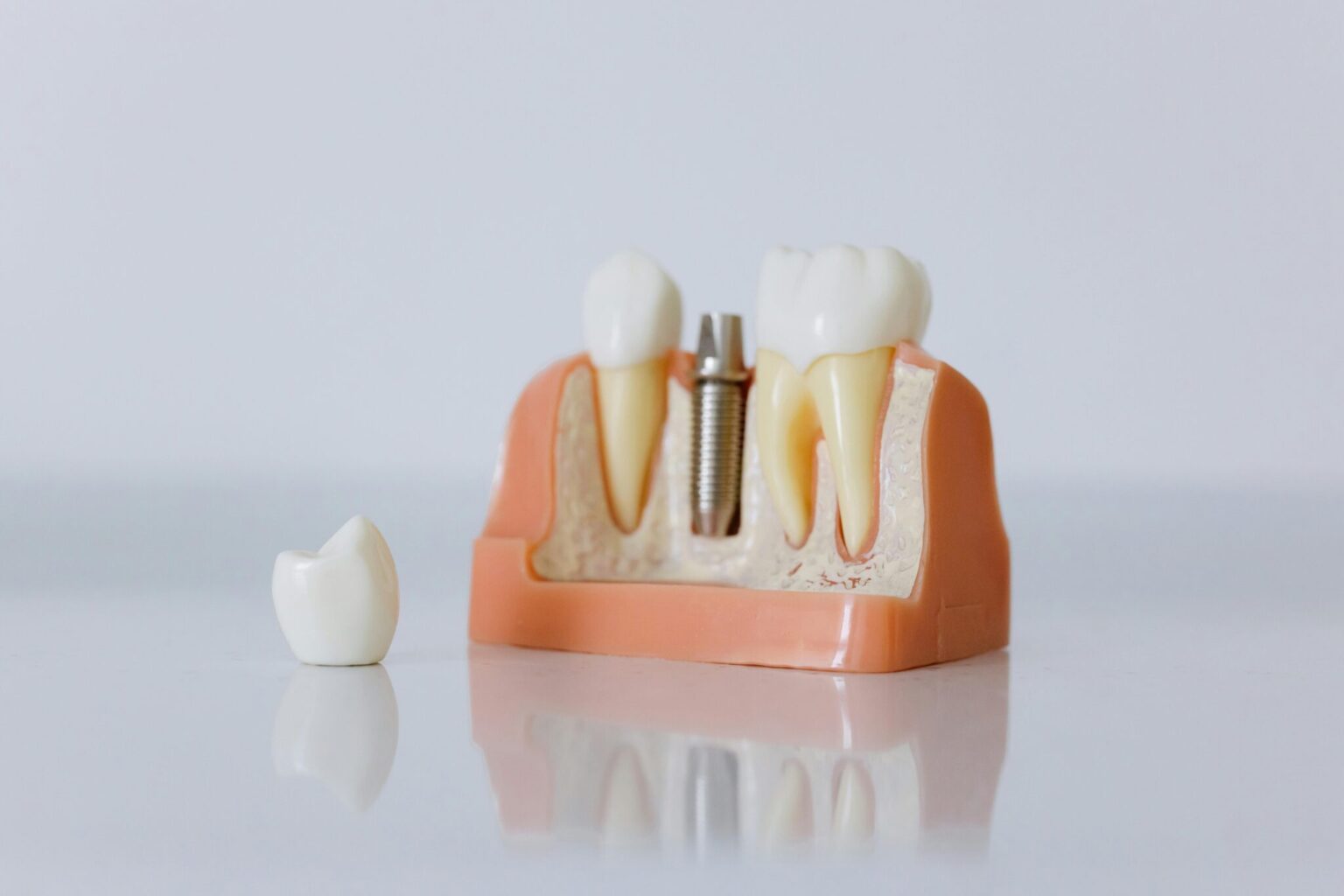
A dental crown looks simple from the outside. It is often described as a cap that covers a damaged tooth, and that description is accurate enough for a waiting room conversation. In practice, though, choosing among different types of dental crowns is rarely that simple. Material matters. So does the position of the tooth, the way you bite, whether you grind at night, how much healthy tooth remains, and what you expect the crown to look like five or ten years from now.
Patients are often surprised to learn that there is no single "best crown" for everyone. A front tooth with a visible smile line has different demands than a heavily loaded molar. A crown for a root canal treated tooth may need to solve different problems than a crown placed after a large old filling failed. Even two people with the same cracked molar may end up with different recommendations because their bite, habits, and cosmetic priorities are not identical.
That is where good dentistry becomes less about catalog choices and more about judgment. The right crown is a balance of strength, appearance, fit, tooth preservation, and cost. Understanding the main types of dental crowns makes it easier to have a useful conversation with your dentist and easier to understand why one option may be favored over another.
What a crown is meant to do
A crown restores the outer form of a tooth when a filling is no longer enough. The usual reasons include a fracture, a large area of decay, severe wear, a root canal, or the need to protect a weak tooth before it breaks further. Crowns can also improve shape and color, although that is usually a secondary benefit when a tooth is structurally compromised.
A well-made crown has to do several jobs at once. It needs to seal the prepared tooth, resist chewing forces, fit comfortably against neighboring teeth, and meet the opposing tooth in a way that does not overload the bite. It also has to respect the gums. A crown can look beautiful and still fail if the margin traps plaque or sits in a way that the tissue never tolerates. Some of the most successful crowns I have seen are not the flashiest. They are the ones that disappear into a person’s daily life because they feel normal, clean easily, and keep working year after year.
Why crown material changes the whole equation
When dentists talk about crown types, they usually mean the material from which the crown is made. That material influences almost everything, including strength, translucency, thickness, laboratory design, and how much natural tooth must be removed.
Years ago, the conversation was more predictable. Porcelain fused to metal was a standard choice for many situations, and full gold crowns remained a favorite for back teeth among patients who valued longevity over appearance. Today, all ceramic and zirconia options have expanded the menu. Digital scanning and milling have also changed how many crowns are designed and made. That has improved precision in many cases, but it has not erased the need for careful case selection. Materials still have limits, and they still behave differently under stress.
All-ceramic crowns
All-ceramic crowns are made entirely from ceramic materials, without a metal substructure. This category includes several specific materials, but from a patient perspective the key appeal is appearance. These crowns can mimic the translucency and light reflection of natural enamel more convincingly than many older materials.
For front teeth, that matters. A central incisor does not just need to be white. It needs depth, subtle variation, and the right way of catching light. A person may not know why a crown looks natural, but they notice immediately when it looks flat, gray, or overly opaque. High quality all-ceramic crowns can produce excellent cosmetic results when shade matching, tooth preparation, and lab work are all done well.
Their strength has improved significantly over time, but not all ceramics perform equally. Some are prized for beauty and translucency but are less forgiving under heavy bite forces. Others are stronger but a little less lifelike. That trade-off comes up often in treatment planning. On a front tooth for someone with a gentle bite, appearance usually leads the decision. On a back tooth for someone who clenches, strength becomes harder to ignore.
Another practical point is tooth reduction. Some ceramic systems require a certain thickness to avoid fracture and to achieve proper esthetics. That can mean removing more tooth structure than might be ideal in a borderline case. When patients ask for the most cosmetic option, that request has to be weighed against what the tooth can safely tolerate.
Porcelain fused to metal crowns
Porcelain fused to metal, often called PFM, has been a workhorse in restorative dentistry for decades. It combines a metal coping on the inside with porcelain layered over it for tooth-like appearance. For many years it was considered the reliable middle ground between strength and esthetics.
PFM crowns still have real advantages. They can be durable, they have a long clinical track record, and they are useful in cases where the bite is demanding. When designed well, they can look quite good, especially on teeth that are not in the most visible part of the smile. Many crowns that have served patients faithfully for ten to fifteen years or longer fall into this category.
Their downsides are also familiar. Because metal sits beneath the porcelain, light does not pass through in the same way it does through natural enamel. That can make a crown look more opaque than a neighboring tooth. If gum recession occurs over time, a dark line may appear near the margin where the metal is close to the edge. Some patients never notice or never care. Others notice it immediately and dislike it.
There is also the possibility of porcelain chipping from the metal framework. It does not happen in every case, but it is one of the classic failure patterns with PFMs. In a patient with a strong bite or a history of breaking porcelain, that risk deserves a frank discussion.
Zirconia crowns
Zirconia has become one of the most talked about materials in dental crowns, and for good reason. It is strong, versatile, and increasingly esthetic. Dentists often recommend zirconia for back teeth, for patients who grind, or for situations where durability is a major concern.
One reason zirconia gained traction so quickly is that it can be milled with precision and can tolerate high biting forces. Earlier versions were known for being very strong but somewhat opaque, which made them less attractive for highly visible front teeth. Newer generations have improved translucency, so the esthetic gap has narrowed. Even so, not every zirconia crown is the same. A more translucent zirconia may trade a bit of strength for appearance, while a more opaque version may be favored in heavy-load areas.
There is a misconception that zirconia solves every problem. It does not. A crown can be made from a strong material and still fail if the bite is not adjusted properly, if the tooth underneath is too compromised, or if hygiene around the margins is poor. Strength is only one part of success.
Zirconia also brings an important design choice. Some zirconia crowns are monolithic, meaning the whole crown is milled from a single block. Others are layered with porcelain for enhanced esthetics. Monolithic zirconia is generally less likely to chip because there is no veneering porcelain layer to fracture. Layered zirconia can look more natural in certain smile-zone cases, but it may carry a slightly higher risk of chipping. That distinction is often missed in casual discussions, yet it can be central to the recommendation.
Lithium disilicate and other glass ceramics
Lithium disilicate crowns, commonly associated with highly esthetic ceramic systems, occupy an important middle space. They tend to offer excellent beauty and respectable strength, which makes them popular for front teeth and selected premolars. In the right case, they can provide a natural appearance that even careful observers struggle to distinguish from a real tooth.
These crowns are often chosen when esthetics are a top priority but the dentist still wants a material with more strength than older, more fragile ceramics. They are not always the first choice for heavily loaded molars in someone with significant clenching habits, though practices differ depending on the exact clinical situation and the thickness available.
What stands out clinically is how much case selection matters. A patient with worn, flattened teeth and a history of breaking restorations is asking something very different from a crown than a patient replacing an old discolored front tooth restoration with a stable bite. The material that shines in one setting may be the wrong tool in another.
Gold and other full metal crowns
Gold crowns are not discussed as often as they once were, but dentists who have practiced long enough tend to respect them deeply. A full gold crown is exceptionally durable, kind to opposing teeth, and can often be made with less tooth reduction than bulkier esthetic materials. For a back molar that is mostly out of sight, gold can be one of the most conservative and longest-lasting choices.
The obvious drawback is appearance. Many patients simply do not want a metallic restoration, especially if they smile wide or if the crown would be visible when speaking. That preference is understandable, and cosmetic expectations have changed sharply over the last twenty years.
Still, there are cases where gold remains hard to beat. I have seen old gold crowns that looked unremarkable but functioned beautifully long after more cosmetic restorations elsewhere had needed replacement. They do not chip like porcelain. They do not depend on translucency. They simply do their job. For patients who value longevity over appearance, or who have a very limited vertical space where brittle materials would be risky, full metal deserves consideration.
Resin and temporary crowns
Resin crowns are generally less durable than ceramic or metal options, but they have a role. They are often used as temporary crowns while a final restoration is being fabricated, and in some situations they may be used as a lower cost final option, though that is less common when longevity is the goal.
Temporary crowns are easy to underestimate. A poorly fitting temporary can irritate the gum, allow tooth movement, or make the final appointment harder. A good temporary, by contrast, protects the prepared tooth, preserves the bite, and acts as a preview of shape and contour. When a front tooth is involved, the temporary phase can be surprisingly useful. It allows small esthetic adjustments before the final crown is made, which can save a great deal of frustration later.
The front tooth versus back tooth question
The easiest way to understand crown selection is to think about location. Front teeth live in a cosmetic zone. Back teeth live in a force zone. That is an oversimplification, but it is a useful one.
On front teeth, the material must blend. Tiny details matter, including translucency near the edge, the brightness of the shade, and the way the crown interacts with the gums. Patients tend to notice esthetic imperfections quickly in this area. A crown can be technically sound and still leave the patient unhappy if it does not harmonize with the neighboring teeth.
On molars, chewing load usually takes priority. These teeth absorb powerful forces, especially in patients who clench at night. A crown here has to survive compression, lateral stress, and years of thermal cycling from hot coffee to cold water. In that environment, the strongest or most conservative material may be a better choice than the prettiest one.
Premolars fall somewhere in the middle. They are more visible than molars but usually face less cosmetic scrutiny than incisors. They also carry substantial bite force. This is where the treatment discussion often becomes nuanced, because both appearance and strength are competing for first place.
Bite habits can override cosmetic preferences
If a patient tells me they grind, or if their teeth show clear wear facets, that information changes the crown conversation immediately. Bruxism, clenching, and certain bite patterns place restorations under extraordinary stress. Materials that perform beautifully in low-stress mouths may chip, crack, or debond more often in high-stress ones.
This is not just about the crown itself. A crown on a root canal treated tooth with minimal remaining structure may need a post, a core buildup, or simply a realistic assessment of risk. Sometimes the better discussion is not "Which crown is prettiest?" But "How do we keep this tooth functioning for as long as possible?"
Night guards often enter the conversation here. Patients sometimes hear that as an upsell. In many cases, it is basic protection. If someone has already broken natural enamel, old fillings, or prior crowns, a custom guard can help protect both the new restoration and the rest of the dentition.
What patients usually care about most
Most crown consultations circle around the same practical concerns:
- How natural it will look
- How long it is likely to last
- How much tooth has to be removed
- What it costs
- Whether the procedure can be done in one visit or two
Those questions are sensible, but the answers are not uniform. A same-day milled crown may be convenient, yet convenience is not the only metric. In some cases, a highly skilled dental laboratory can produce finer esthetic detail than an in-office system. In other cases, a same-day monolithic zirconia crown may be ideal for a posterior tooth where strength and speed matter more than subtle layering. The best answer depends on the tooth in front of you, not just the menu of services in the building.
Same-day crowns versus lab-made crowns
Digital dentistry has changed patient expectations. Many people now ask whether their dental crowns can be completed in one appointment. The answer is often yes, but that does not automatically mean yes is always best.
Same-day Dental Crowns crowns can be excellent, especially for straightforward posterior cases. Digital scans are comfortable, milling technology is impressive, and avoiding a temporary crown is attractive. For a busy patient, the convenience alone is meaningful.
Lab-made crowns still have an edge in some situations. A complex front tooth case, a difficult shade match, or a smile where tiny asymmetries are obvious may benefit from a ceramist’s hands-on artistry. There are front tooth restorations where a great lab technician is every bit as important as the dentist. That reality does not disappear because a scanner is fast.
Longevity is about more than the material
People often ask how long crowns last. The honest answer is that a range is more accurate than a promise. Many crowns last ten to fifteen years, some far longer, and some fail much sooner. Failure is not always dramatic. Sometimes the crown itself is intact but decay develops at the margin. Sometimes the underlying tooth fractures. Sometimes the bite changes and repeated chipping begins. Sometimes gum recession exposes an old margin that was once acceptable.
What tends to improve lifespan is not mysterious. Good diagnosis, precise fit, healthy gum tissue, stable bite forces, and consistent home care matter as much as the brand or category of crown. A beautifully fabricated crown placed on a tooth with poor ferrule, heavy clenching, and inconsistent hygiene is carrying a burden that no material can fully overcome.
One small but important detail is how the crown margin is placed and finished. Margins that are smooth, accessible for cleaning, and biologically respectful tend to age better. When a crown repeatedly traps floss or leaves the gum chronically inflamed, trouble is usually brewing even if the tooth does not hurt.
Cost differences and why they exist
Crown fees vary widely by region, practice type, laboratory involvement, and material. Patients understandably want a simple price comparison between crown types, but cost usually reflects more than the raw material.
A crown fee may include diagnostic work, digital scanning or impressions, temporization, buildup of the tooth, the quality of the laboratory, adjustments, and follow-up care. A highly esthetic front crown often takes more planning time and more technical work than a straightforward molar crown. That extra effort is part of the value, even if the patient only sees the final tooth-shaped result.
Cheaper is not always a bargain if the contour is poor, the shade is wrong, or the crown needs replacement years earlier than expected. On the other hand, the most expensive option is not automatically superior if it does not fit the clinical need. This is another place where individualized planning matters more than labels.
When one crown type clearly makes more sense
Despite all the nuance, there are times when the best path becomes fairly obvious. A patient with a very visible front tooth and strong cosmetic concerns often benefits from a highly esthetic ceramic chosen with careful Dental Crowns shade planning. A patient with a heavily loaded second molar, limited space, and a history of fracturing restorations may be much better served by zirconia or full metal. A patient replacing an old PFM on a back tooth may be happy with a monolithic zirconia crown that offers durability without the risk of porcelain veneering chipping.
The difficult cases are the in-between ones. That is where a dentist’s experience shows. The right decision often comes from noticing details that do not fit neatly into a brochure, such as a deep overbite, a slight habit of edge-to-edge chewing, or the way a patient’s lip line reveals the gum margin when they laugh.
Questions worth asking before you decide
If you are choosing among different types of dental crowns, a short conversation can reveal a great deal. Useful questions include:
- Why are you recommending this material for this particular tooth?
- How will it look compared with the neighboring teeth?
- How likely is it to chip or crack in my bite?
- Will this be made in-office or by a dental lab?
- Do I need a night guard to protect it?
A strong recommendation should come with reasoning, not just a brand name. Patients do not need to become material scientists, but they should understand the logic behind the plan.
The real goal
The most successful dental crowns do not announce themselves. They restore confidence in chewing, preserve the remaining tooth, and blend into daily life so completely that the patient stops thinking about them. Getting there requires more than picking a popular material. It requires matching the crown to the tooth, the bite, the smile, and the person attached to all three.
That is why the question is never simply, "What are the different types of dental crowns?" The more useful question is, "Which crown makes the most sense for this tooth, in this mouth, under these conditions?" Once you frame it that way, the options become clearer, and the decision becomes far more practical.
Omni Dental Specialty
1690 E Gonzales Rd, Oxnard, CA 93036, United States
+1 805-410-9603
FAQ About Dental Crowns
How long do crowns last on teeth?
A dental crown often lasts about five to fifteen years, although some last longer. Material, the underlying tooth, oral hygiene and grinding habits affect longevity. Regular dental examinations help identify wear, decay or a loose crown; no lifespan is guaranteed.
How much does a tooth crown cost?
There is no single price for every crown. Material, laboratory work, the condition of the tooth and any additional treatment affect the fee. Ask for a written estimate and confirm your insurance benefits, exclusions and out-of-pocket costs before treatment.
What is the downside of crowns on teeth?
A conventional crown usually requires irreversible removal of some tooth structure. Possible problems include sensitivity, chipping, loosening and decay at the crown margin; some teeth later need root canal treatment. Discuss your tooth's condition, material choices and suitable alternatives with your dentist.
Corrections
Spot something wrong? Send it to the desk and it gets fixed in the open.